
History & Legacy
For more than a century, The Duke Endowment has aimed to fulfill the legacy and vision of James Buchanan Duke, one of the great industrialists and philanthropists of the 20th century.
Timelines
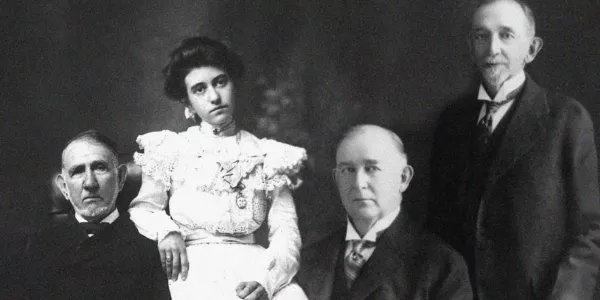
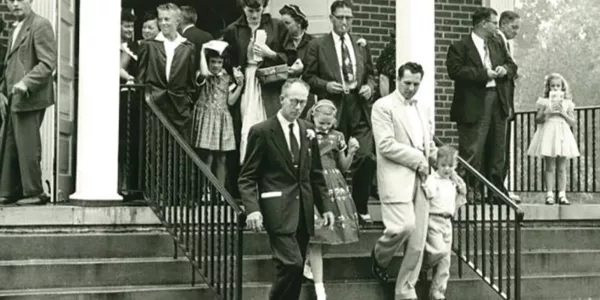


A Legacy of Leadership
The responsibilities and priorities for our Board of Trustees are set forth in Mr. Duke’s 1924 Indenture of Trust, the legal document that created the Endowment. Generations of staff and trustees have remained true to Mr. Duke’s vision.
Meet Our Founder
James B. Duke was a tobacco manufacturer, industrialist, and philanthropist who established The Duke Endowment to, “make provision in some measure for the needs of mankind.”
The Duke Family
Learn more about the Duke family by exploring their family tree.
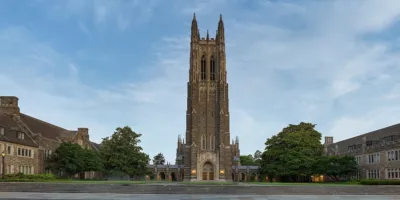
Duke University
In 1924, through the Endowment’s Indenture of Trust, Mr. Duke provided for the creation and funding of Duke University. The existing institution, Trinity College, changed its name to Duke University as a memorial to Mr. Duke’s father, Washington. Since inception, the Endowment has awarded Duke University nearly $2 billion, which equates to nearly $5 billion in today’s dollars.

Duke Energy
Mr. Duke established the hydroelectric power company to provide a robust and reliable power grid for the region and fuel its economic growth. Duke Energy also generated the funds that would power Mr. Duke’s philanthropic vision and establish The Duke Endowment. Today, Duke Energy is a widely held public company.

Doris Duke Foundation
Established by the daughter of James B. Duke as a separate private foundation, the New York-based Doris Duke Foundation supports the performing arts, environmental conservation, medical research and the prevention of child maltreatment.
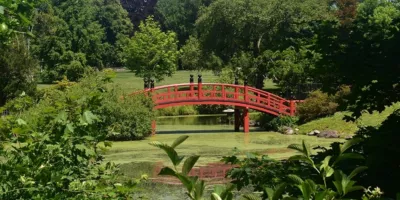
Duke Farms
The 2,700-acre estate in Hillsborough, New Jersey, was developed by James B. Duke, bequeathed to his daughter Doris, and is now owned and supported by the Duke Farms Foundation, an operating foundation of the Doris Duke Charitable Foundation.
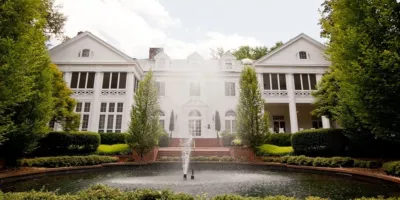
Duke Mansion
Built in 1915, this Charlotte, North Carolina, estate was tripled in size by James B. Duke a er he bought it to introduce his New York-born daughter Doris to life in the South. The home is listed on the National Register of Historic Places and is now operated as a nonprofit with all proceeds used to preserve and protect this community.
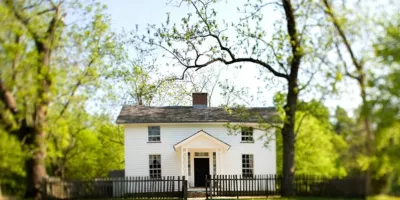
Duke Homestead
A restored historic site, this living museum features the home, factories and farm where Washington Duke first grew and processed tobacco. The homestead is operated by North Carolina Historic Sites, a division of the North Carolina Department of Cultural Resources Office of Archives and History.
Visit Our Traveling Exhibit
Learn how James B. Duke helped shape the Carolinas and how his legacy impacts the region today, with interactive exhibits, digital experiences and grantee stories.