Search results
Table Tent Template - Healthy People, Healthy Carolinas
Two table tent template options that can be customized in Microsoft PowerPoint and printed on 11" x 17" tabloid paper (fits two table tents per sheet). The finished size of each when cut is 4.5” x 17”.

Newsletter Template - Healthy People, Healthy Carolinas
A newsletter template that can be modified in Microsoft PowerPoint with custom content, graphics, images and logos. Easily save the file as a PDF to share electronically.

Clergy Health Initiative Retirement Report - 2022
This report presents findings on the well-being of United Methodist clergy ages 55 and older, and the well-being of clergy retired 4 years or fewer.
Healthy People, Healthy Carolinas toolkit
This toolkit contains all of the Healthy People, Healthy Carolinas templates in one downloadable package (image files can be downloaded separately).

2019 Annual Report: Partners in Progress
We invite you to read stories of how we engaged as “collaborating partners” in 2019 through our Child and Family Well-Being program area, “innovating partners” in Health Care, “contributing partners” in Higher Education, and “initiating partners” in Rural Church in our 2019 annual report. This download includes the full annual report with grantmaking and financial addenda.

Zero to Eight Overview
In this video, The Duke Endowment President Rhett Mabry explains our emphasis on Early Childhood.

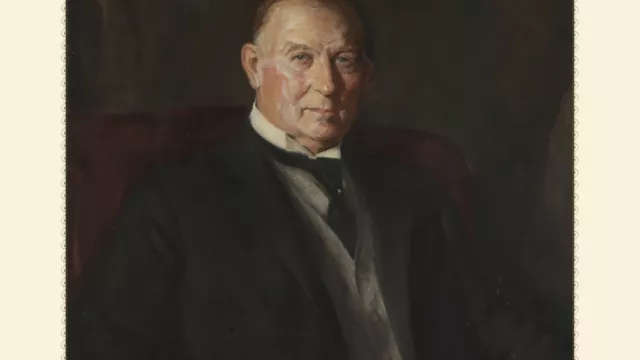
James B. Duke: Spirit of Genius, Legacy of Hope
This flyer provides an historical look at the man who laid the foundation to support the legacy that perseveres to this day at The Duke Endowment.

Indenture of Trust
Governed by a board of trustees, Endowment staff conduct grantmaking according to guidelines in Mr. Duke's original Indenture of Trust (pdf), a legal document that remains relevant and timely after nearly 100 years.
Oral Health in America
This report highlights the most promising new approaches for improving oral health and for ensuring that all Americans enjoy its benefits. Finally,

Advancing Oral Health in North Carolina
We are taking steps forward to improve the oral health of North Carolinians, and change doesn’t happen without diverse stakeholder engagement. Meet some of the tireless advocates who have contributed decades of their leadership to help get us where we are today.
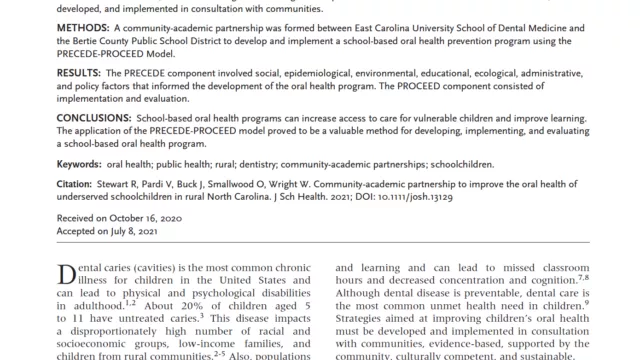
Community-Academic Partnership to Improve the Oral Health of Underserved Schoolchildren in Rural North Carolina
Dental care is is the most common chronic illness for children. Caries can reduce the quality of life, cause missed classroom hours, and decrease cognition. Strategies to improve children’s oral health must be evidence-based, developed, and implemented in consultation with communities.